
The hospitality industry has always been defined by the quality of its service and the flavor of its food. However, in today’s fast-paced digital economy, the “behind-the-scenes” infrastructure is just as vital as the front-of-house charm. For independent owners and large-scale operators alike, the shift toward a more integrated epos for restaurant environments has become the standard for those looking to scale efficiently.
From the morning rush at a local coffee shop to the high-stakes dinner service of a Michelin-star establishment, the right technology acts as a silent partner, ensuring that operations remain fluid and customers remain satisfied.
The Evolution of the Cafe Experience
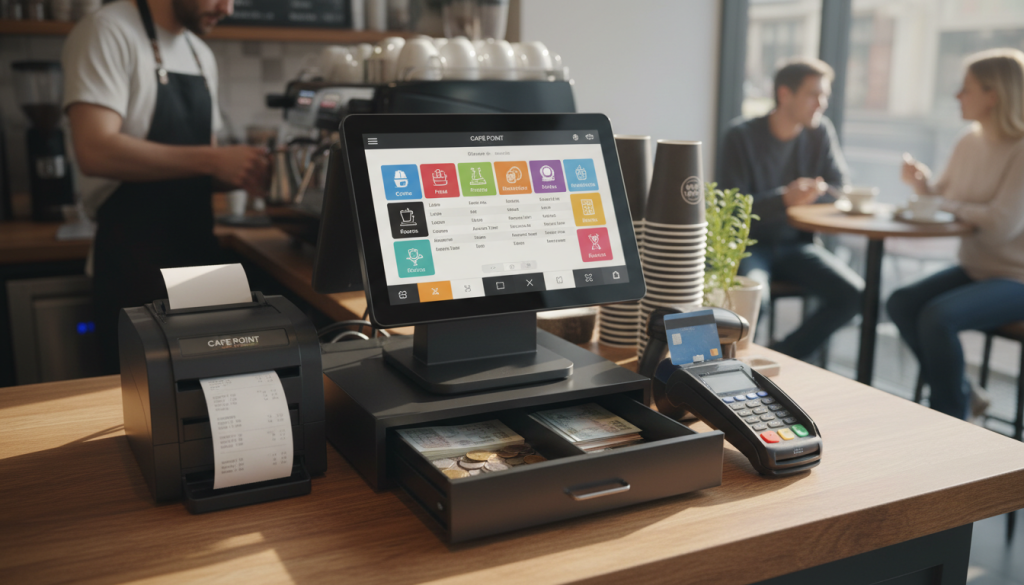
For smaller venues, the requirements are unique. A cafe point of sale system needs to be more than just a digital cash drawer; it needs to be fast, intuitive, and capable of handling complex modifications. Whether it’s a specific milk preference or a loyalty discount, the speed at the counter dictates the length of the queue and, ultimately, the morning’s revenue.
Modern systems allow baristas to focus on the craft of coffee rather than struggling with a clunky interface. By streamlining the checkout process, a dedicated cafe point of sale system reduces human error and ensures that every transaction is accounted for, providing owners with peace of mind during the busiest hours of the day.
Enhancing Restaurant Workflows with Smart EPOS
In a full-service dining environment, the complexity increases significantly. Managing table layouts, coursing, and kitchen communication requires a robust framework. This is where a specialized epos for restaurant use really shines.
By implementing handheld ordering and real-time kitchen display synchronization, the lag time between a customer placing an order and the chef receiving the ticket is virtually eliminated. This efficiency doesn’t just improve the guest experience; it maximizes table turnover. In an industry where margins can be thin, the ability to serve one or two extra tables per night due to improved workflow can be the difference between a breaking even and a profitable month.
Data: The Secret Ingredient for Growth
Beyond the immediate transactional benefits, the true power of a modern cafe point of sale system lies in the data it collects. For years, restaurant owners had to rely on gut feeling to determine which menu items were performing well. Today, comprehensive reporting tools provide granular insights:
- Inventory Tracking: Automatically deduct ingredients as items are sold to prevent “out-of-stock” disappointments.
- Staff Performance: Identify your top-selling servers and recognize those who may need more training.
- Customer Retention: Use integrated loyalty programs to keep guests coming back with personalized offers.
When you choose a professional epos for restaurant management, you are investing in a business intelligence tool. You can see exactly which hours are your most profitable and adjust your staffing rotas accordingly, ensuring you aren’t overstaffed during lulls or understaffed during peaks.
Integration in a Multi-Channel World
The modern diner interacts with a brand in multiple ways—in person, via delivery apps, and through online click-and-collect services. A fragmented system where these channels don’t talk to each other is a recipe for chaos. Leading solutions, such as those provided by Cube POS, consolidate these streams into a single interface. This “single source of truth” ensures that your kitchen isn’t overwhelmed by unexpected digital orders and that your financial reporting is accurate across all platforms.
Conclusion
The hospitality sector is undergoing a quiet revolution. As customer expectations for speed and personalization rise, the tools we use must rise to meet them. Whether you are looking for a nimble cafe point of sale system to power your local bakery or a comprehensive epos for restaurant deployment for a multi-site brand, the goal remains the same: removing friction from the hospitality experience.
By letting technology handle the logistics, you free up your team to do what they do best—providing an unforgettable experience for every guest who walks through your door.
