
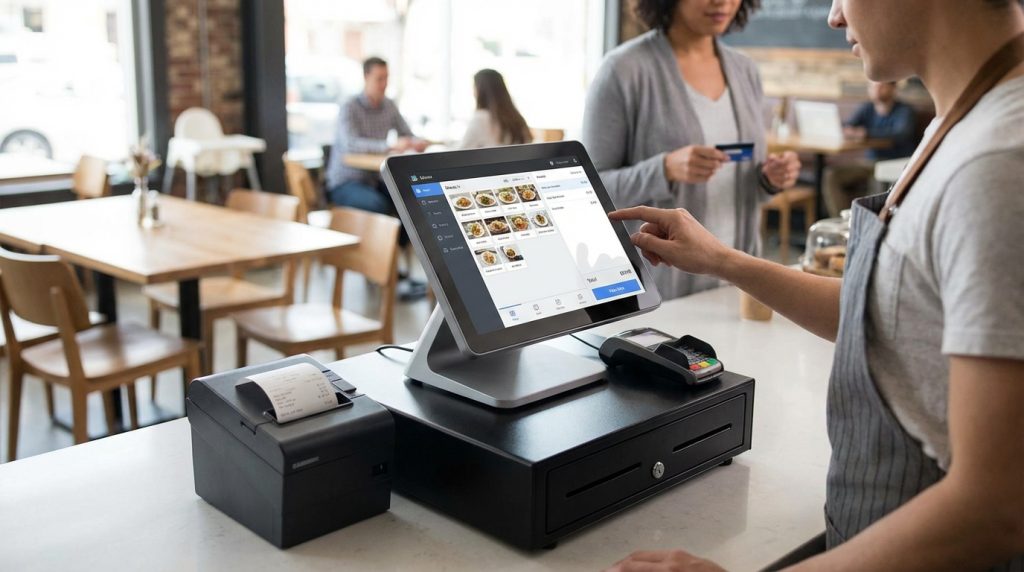
In the modern hospitality landscape, the distance between the kitchen and the dining room is no longer measured in meters, but in milliseconds. As diner expectations pivot toward a blend of high-touch service and high-tech efficiency, the tools a restaurateur chooses define their success. Central to this evolution is the point of sale for restaurants, a technology that has transitioned from a mere “cash box” into a sophisticated command center.
For UK-based establishments looking to refine their operations, selecting a system isn’t just about processing transactions; it’s about data, flow, and the guest experience. Leading providers like Cube POS are demonstrating that when the right software meets robust hardware, the result is a significant boost in both bottom-line profit and staff morale.
The Shift from Transactional to Transformational
The traditional “pen and paper” method, while nostalgic, is increasingly becoming a liability in a high-volume environment. Errors in handwriting, lost tickets, and the time spent walking orders to the kitchen create friction. A modern point of sale for restaurants eliminates these bottlenecks through a centralized digital ecosystem.
When an order is placed tableside via a tablet or a fixed terminal, it is instantly fired to the Kitchen Display System (KDS). This real-time synchronization ensures that the kitchen staff can begin preparation immediately, reducing wait times and ensuring that “mains” and “starters” are timed to perfection.
Data-Driven Decision Making
One of the most overlooked benefits of a professional POS system is the wealth of “human-readable” data it generates. To run a profitable restaurant in today’s economy, you need to move beyond gut feelings. A high-quality system provides insights into:
- Menu Engineering: Easily identify your “stars” (high profit, high popularity) and your “dogs” (low profit, low popularity). This allows for strategic menu adjustments that maximize margin.
- Labor Optimization: By analyzing sales heatmaps, owners can see exactly when the “rush” hits. This ensures you aren’t overstaffed during lulls or understaffed during the Friday night peak.
- Inventory Intelligence: Integration with stock management means the system can alert you when a particular ingredient is running low, preventing the dreaded “86’d” list mid-service.
Enhancing the Guest Journey
Technology should never replace the “human touch” in hospitality; it should facilitate it. By automating the mundane tasks of billing and order entry, servers are freed up to engage with guests, offer wine pairings, and ensure the atmosphere is just right.
Furthermore, modern point of sale solutions allow for seamless split-billing and multiple payment types—from Apple Pay to traditional chip-and-pin—ensuring the final interaction of the meal is as pleasant as the first.
Why Local Expertise Matters
For UK businesses, the regulatory and fiscal landscape is unique. Using a system designed for the local market, such as those offered by Cube POS, ensures compliance with VAT requirements and offers local support that understands the specific challenges of the British high street. Whether it’s a bustling London bistro or a quiet Cotswolds pub, the hardware must be durable enough to withstand the heat of a kitchen and the spills of a busy bar.
Final Thoughts
The decision to upgrade your point of sale for restaurants is a milestone in a business’s journey. It represents a shift from “managing” a restaurant to “optimizing” a brand. In an industry where margins are thin and competition is fierce, the establishments that leverage integrated technology are the ones that will define the future of dining.
By focusing on a system that offers reliability, scalability, and deep analytical insight, you aren’t just buying a tool—you’re securing the future of your hospitality vision.
