
India is a destination that defies simple description. It is a vast, kaleidoscopic land where ancient spiritual traditions exist in harmony with a booming modern economy and high-tech urban centers. From the serene, snow-capped peaks of the Himalayas in the north to the tropical, spice-scented backwaters of Kerala in the south, the subcontinent offers an unparalleled sensory experience for global explorers. As international travel continues to evolve in 2026, the Indian government has made significant strides in ensuring that the gateway to this vibrant nation is more accessible than ever before.
The Digital Transformation of Indian Tourism
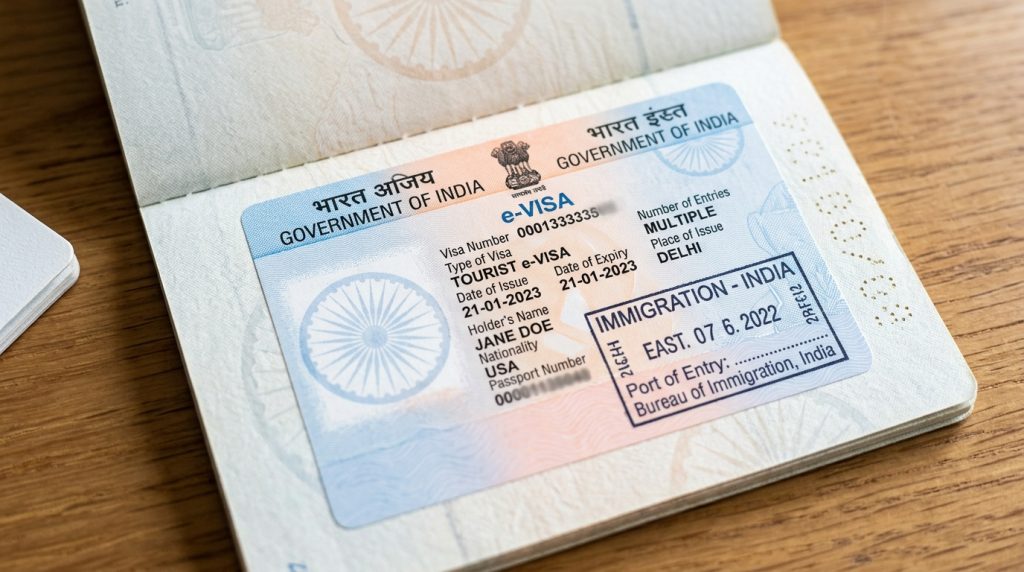
The cornerstone of India’s modern tourism strategy is the Electronic Visa (e-Visa) program. This initiative has successfully removed the traditional barriers to entry, replacing long embassy queues and complex paperwork with a streamlined, user-friendly digital portal. This shift toward a digital-first approach has fostered deeper cultural and economic ties with nations across the globe, allowing travelers to focus on their adventure rather than administrative hurdles.
For those residing in the Middle East, the historical and cultural connections with the Indian subcontinent run deep. Whether traveling for business, medical treatment, or to explore shared architectural heritage, the process has been greatly simplified. Obtaining an INDIAN VISA FOR IRANIAN CITIZENS is now an entirely online endeavor. This allows visitors to secure their travel authorization from home, receiving their approved visa via email. This efficiency has led to a significant increase in visits to iconic landmarks like the Taj Mahal and the bustling markets of Old Delhi.
Connecting the Caribbean to the Indian Subcontinent
The appeal of India’s diverse landscapes also reaches across the Atlantic to the vibrant islands of the Caribbean. There is a profound sense of curiosity and shared history that draws travelers from the West Indies to the East. From the rhythmic energy of India’s coastal cities to the tranquil yoga retreats of the foothills, the destination provides a perfect contrast to island life.
To support this global interest, the e-Visa system is designed to be inclusive and high-speed. For instance, the process of securing an INDIAN VISA FOR JAMAICAN CITIZENS involves a simple three-step digital application: filling out the online form, paying the processing fee, and waiting for the electronic approval. Once granted, the visa allows travelers to land at various designated international airports, making it easier to plan a multi-city tour through the “Pink City” of Jaipur or the tech-driven corridors of Bangalore.
Essential Preparation for Your Indian Odyssey
While the entry process is high-tech, a successful trip to India rewards the well-prepared. It is essential to ensure that your passport is valid for at least six months from your date of arrival and contains at least two blank pages for the immigration officer’s stamps.
The optimal time to visit is generally between October and March, when the weather is pleasantly cool across most of the country. During these months, the country comes alive with vibrant festivals and clear skies, perfect for exploring the many UNESCO World Heritage sites. By leveraging the efficient electronic entry systems available today, travelers from all corners of the world can step into the magic of India with ease.
