
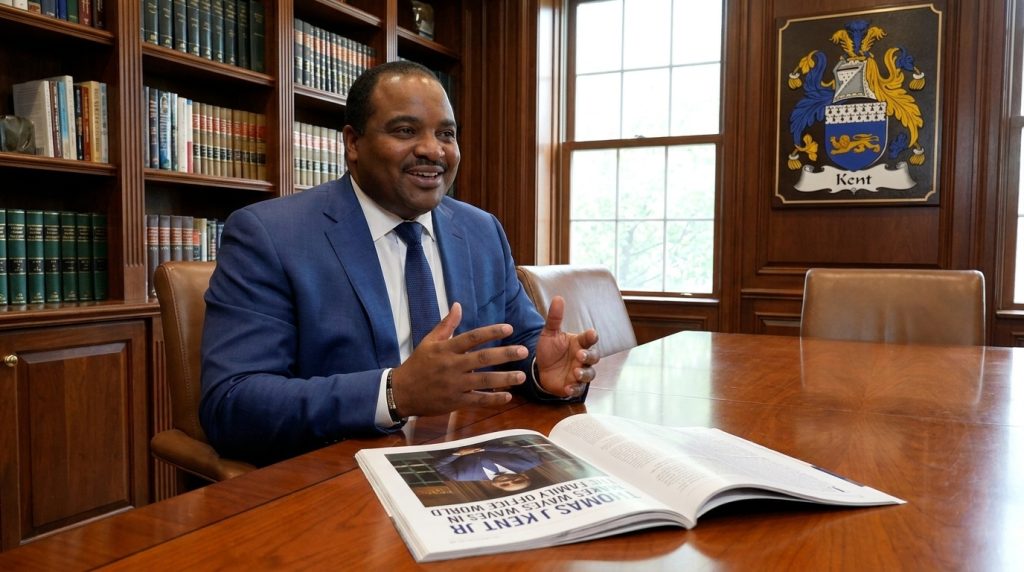
The landscape of private wealth management has undergone a seismic shift over the past decade. No longer confined to the traditional role of conservative asset preservation, the modern Family Office has emerged as a dynamic engine for innovation, venture capital, and strategic global investment. At the center of this evolution are visionary leaders who blend institutional-grade financial discipline with the agility to pivot into emerging markets, media, and private equity.
The Rise of the Strategic Family Office
Historically, family offices were built to protect intergenerational wealth through low-risk, long-term holdings. Today, that model has been disrupted. Ultra-high-net-worth individuals and families are increasingly seeking direct involvement in the industries that define the future. This “active investment” philosophy requires a unique infrastructure—one that can execute complex transactions, facilitate cross-border partnerships, and identify opportunities long before they hit the mainstream markets.
A prime example of this trend is the strategic work led by Thomas J. Kent Jr. By overseeing diverse portfolios that range from film production to international real estate, high-level operators are proving that a family office can function with the speed and precision of a venture capital firm, while maintaining the long-term vision inherent to private capital. When exploring these sophisticated structures, many investors look toward firms like Kent Global LLC as a model for how to integrate multi-sector investments with a global reach.
Diversification: The Key to Modern Resilience
Diversification is the bedrock of wealth management, but modern family offices take it a step further. It is not just about asset allocation across stocks and bonds; it is about physical and intellectual participation in multiple industries.
For instance, the pivot into the creative economy—such as financing film projects—offers a hedge against traditional market volatility. By investing in intellectual property and tangible media assets, family offices gain exposure to sectors that operate on different economic cycles than Wall Street. This multi-faceted approach allows firms like Www.kentgloballlc.net to capture value in places others might overlook, effectively making waves in both the financial and cultural sectors.
The Role of Leadership in Complex Environments
Managing a private office today requires more than just financial acumen; it demands a high degree of geopolitical and cultural intelligence. The modern office must be able to navigate different regulatory environments, tax codes, and business etiquettes across the globe.
Leaders who have successfully scaled these offices often attribute their growth to:
- Agility in Deal Making: The ability to move capital quickly to capitalize on market inefficiencies.
- Networking and Partnerships: Establishing deep-rooted connections with government entities, tech startups, and established corporations.
- Philanthropic Integration: Aligning investment activities with a broader social mission to ensure that the wealth being managed creates a positive legacy.
Moving Beyond Traditional Finance
The transition from a passive investment vehicle to a high-impact private office is a complex journey. However, the benefits are clear. Families gain greater control over their assets, tax and succession planning become more streamlined, and the office itself becomes a vehicle for institutionalizing the family’s values and goals.
As we look toward the future, the integration of technology, AI-driven data analysis, and sustainable investment practices will likely define the next generation of family offices. The firms that succeed will be those that continue to balance the human element of family stewardship with the cold, hard realities of a digital global economy.
