
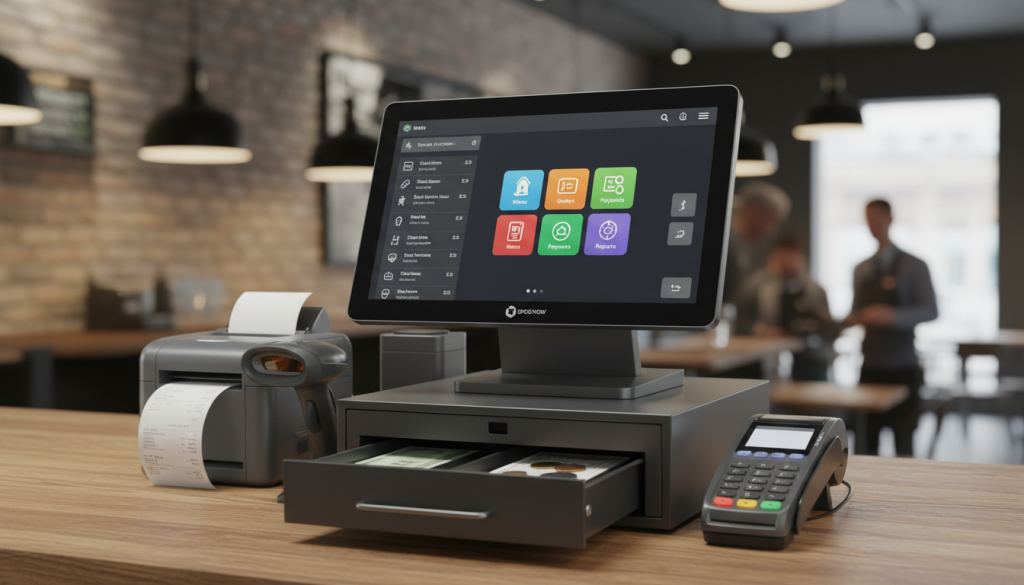
In the fast-paced world of the UK hospitality sector, the difference between a thriving bistro and a struggling one often comes down to seconds. As margins tighten and customer expectations for “instant” service rise, the traditional paper-and-pen method—or even outdated legacy software—has become a liability. Today, the most successful operators view their restaurant epos system not just as a till, but as a digital command centre.
The shift toward high-tech dining isn’t about removing the human element; it’s about empowering it. When staff aren’t tethered to a stationary terminal or running back and forth to clarify an order, they have more time to do what they do best: provide a memorable guest experience.
The Strategic Importance of a Modern Point of Sale for Restaurants
For a long time, the term “POS” was synonymous with “payment.” However, a modern point of sale for restaurants now handles everything from real-time inventory tracking to complex floor plan management. The goal is seamlessness. When a customer orders a medium-rare steak with specific dietary modifications, that data needs to travel instantaneously and accurately to the kitchen display.
A robust point of sale for restaurants acts as the bridge between the front-of-house and the back-of-house. By reducing the margin for human error, businesses can significantly cut down on food waste and “comps” due to incorrect orders, directly impacting the bottom line.
Streamlining Operations with a Dedicated Restaurant EPOS System
The UK market presents unique challenges, from managing VAT compliance to handling the high demand for contactless and mobile payments. A generic retail system simply won’t cut it. A dedicated restaurant epos system is built with the “hospitality logic” required to handle:
- Table Management: Visualising the floor to see which tables are nearing completion or which have been waiting too long for their mains.
- Menu Engineering: Easily updating prices or 86ing an item across all terminals (and online platforms) simultaneously.
- Detailed Analytics: Understanding your “golden hours” and identifying which menu items are your true profit drivers.
Platforms like Cube POS have been designed to meet these specific needs, ensuring that the technology stays out of the way of the hospitality.
Enhancing the Guest Journey through Technology
The modern diner is tech-savvy. They appreciate the speed of mobile ordering and the convenience of split-billing. By implementing a high-end point of sale for restaurants, you are catering to these evolving habits. Furthermore, these systems allow for more sophisticated loyalty integrations. Instead of a physical card that gets lost, guest data can be managed digitally, allowing for personalised offers that keep customers coming back.
Conclusion: Investing in Resilience
As we move further into an era defined by digital transformation, the tools you choose to run your business will dictate your ability to scale. An investment in a high-quality restaurant epos system is an investment in your staff’s sanity and your customers’ satisfaction. It provides the clarity needed to make data-driven decisions while maintaining the “human touch” that makes the hospitality industry so special.
For those looking to upgrade their current setup, exploring the tailored solutions at Cube POS is a step toward future-proofing your establishment in an ever-competitive market.
